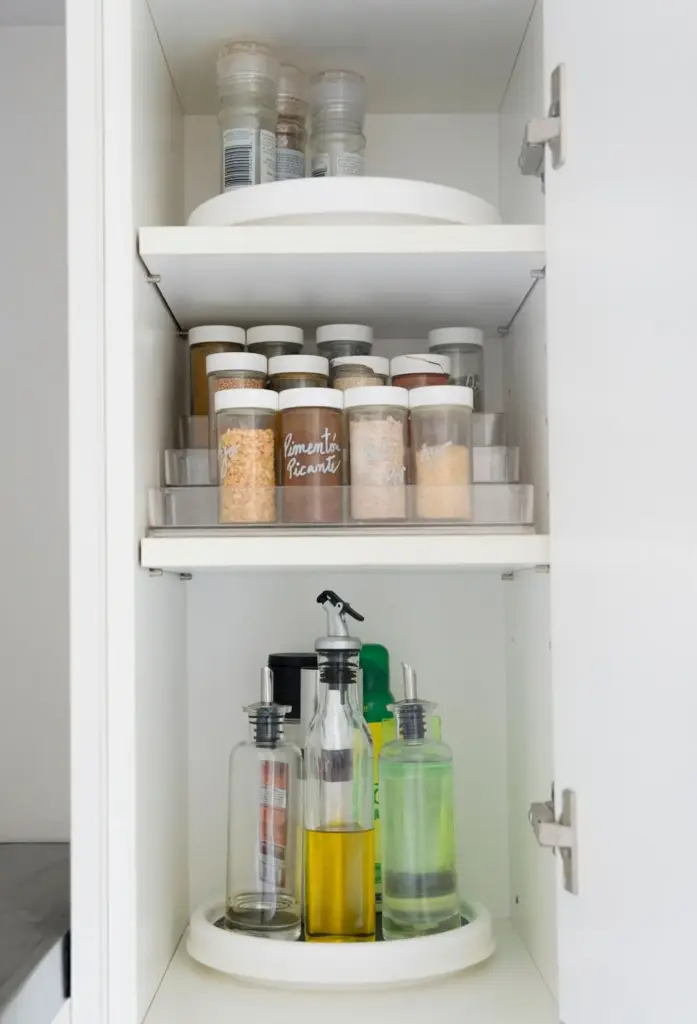
Refill With Confidence: Safe Practices for Stores and Homes

Step into a cleaner, safer refilling experience that protects taste, nutrition, and community trust. This edition explores health and food safety guidelines for in-store refill stations and home decanting, translating science and regulations into friendly, repeatable habits. From sanitizing containers and spigots to labeling, allergen controls, temperature management, and traceability, you will find practical steps that fit busy counters and cozy kitchens alike. Reuse more, waste less, and keep every pour consistently safe.

Foundations of Hygienic Refilling

Successful refilling begins long before a container touches a spigot. Understanding how microbes spread, how surfaces are cleaned, and how staff or household routines influence risk creates a dependable baseline for safety. Here, we translate hazard awareness into simple, daily actions that protect flavor, nutrition, and peace of mind without adding complexity. Whether you manage a bustling refill bar or decant at home, these fundamentals help sustain consistent quality and trustworthy experiences.

Cleaning and Sanitizing Containers and Dispensers

Cleaning removes soils; sanitizing reduces remaining microbes to safer levels. Both steps matter, and order matters too. Foam residues, biofilms, and trapped moisture can undermine even high-quality products. This section explains practical, validated routines that fit busy operations and home kitchens. With the right detergents, temperatures, mechanical action, and contact times, you can restore surfaces to a reliably clean state and maintain confidence with every refill you oversee or enjoy.
Begin with a thorough rinse to dislodge visible soils, then wash using the correct detergent concentration and water temperature recommended by the manufacturer. Scrub crevices and threads where residues hide. Rinse thoroughly before applying an approved food-contact sanitizer. Respect the labeled contact time, allowing surfaces to remain visibly wet. Shortcuts here reduce effectiveness. Finish with a final potable-water rinse if required by your sanitizer’s instructions and product sensitivity.
Allow cleaned parts to air dry completely on sanitized racks, avoiding towels that can reintroduce lint or microbes. Store dry components in covered, dust-free bins labeled by product type to prevent mix-ups. When reassembling dispensers, inspect gaskets and O-rings for wear, align threads carefully, and avoid over-tightening. A systematic, unhurried reassembly prevents microleaks, sticking valves, and contamination that might otherwise appear as off-odors, cloudiness, or premature spoilage.

Allergen and Cross-Contact Controls

Allergen-sensitive shoppers rely on clear procedures. Cross-contact can occur with shared scoops, poorly cleaned spigots, or unlabeled residues. Dedicated equipment, color-coding, and transparent signage reassure people who cannot afford uncertainty. This section outlines practical steps that protect vulnerable individuals and prevent accidental exposures. With thoughtful segregation and meticulous labeling, refill programs can be inclusive, welcoming, and safe for everyone choosing to reuse containers and reduce packaging waste responsibly.

Time and Temperature for Safety

Certain foods support rapid microbial growth when left warm or unrefrigerated. Managing time and temperature helps maintain freshness, texture, and safety. This section offers simple, memorable guardrails for perishable items, from dairy and fresh juices to broths, sauces, and cut produce. By respecting safe ranges, quickly returning products to proper storage, and avoiding overly long display times, you protect quality and reduce waste, whether refilling at a counter or decanting at home.

Cold-chain for dairy, juices, and other TCS products

Keep time/temperature control for safety foods at or below 5°C/41°F, minimizing door-open time and working in small batches. Pre-chill clean containers before refilling to limit warm-up. Use calibrated thermometers and record checks throughout the day. At home, place refilled items into the refrigerator immediately and store near the back, where temperature is most stable. These disciplined steps preserve vitamins, texture, and flavor while reducing harmful bacterial growth substantially.

Hot-holding and warm refills such as soups or broths

Maintain hot products at or above 60°C/135°F, stirring gently to distribute heat evenly. Refill during steady temperatures rather than during heat recovery. Use insulated containers and preheat them with hot water when appropriate. At home, transfer carefully, cover promptly, and consume within recommended time windows. Any product lingering in the danger zone should be discarded. Strengthening temperature vigilance keeps comfort foods delicious while preventing unpleasant surprises or preventable illnesses.

Labeling, Traceability, and Communication

Clear labels and reliable records connect every refill to its origin, shelf life, and safe handling guidance. Customers appreciate transparency about ingredients, allergens, and storage instructions, while teams benefit from lot codes and recall readiness. This section turns administrative tasks into trust-building habits. Thoughtful communication empowers wise choices, prevents confusion, and allows quick, confident action if a supplier updates a specification or a quality concern arises unexpectedly.

01

What to include on a refill label

Include product name, ingredients, allergen statements, supplier, lot or batch code, fill date, best-by guidance, and storage instructions. For home decanting, copy key details onto reusable tags or erasable labels. Avoid smudging by using oil-resistant markers where needed. Clear, concise information equips families to handle and store products correctly while making it easy to rotate stock and enjoy every refill at peak quality and safety.

02

Lot codes and recall readiness

Lot tracking allows swift, precise action during quality investigations. Record which lots enter each dispenser and when. If a recall occurs, you can identify affected containers, contact customers, and document corrective steps. At home, keep receipts or snap label photos before decanting. This light-touch discipline protects households, preserves credibility, and ensures that sustainability ideals never compromise the speed and accuracy required during rare, urgent situations.

03

Engaging customers with transparent signage

Signage near stations can outline cleaning schedules, allergen practices, and safe handling tips. Invite questions, offer sanitizer, and display QR codes linking to supplier information or detailed instructions for home decanting. Customers who understand the process feel valued and return often. At home, create simple reminder cards for storage temperatures and use-by dates. Clear, friendly messages foster safer habits and a stronger community around responsible refilling.

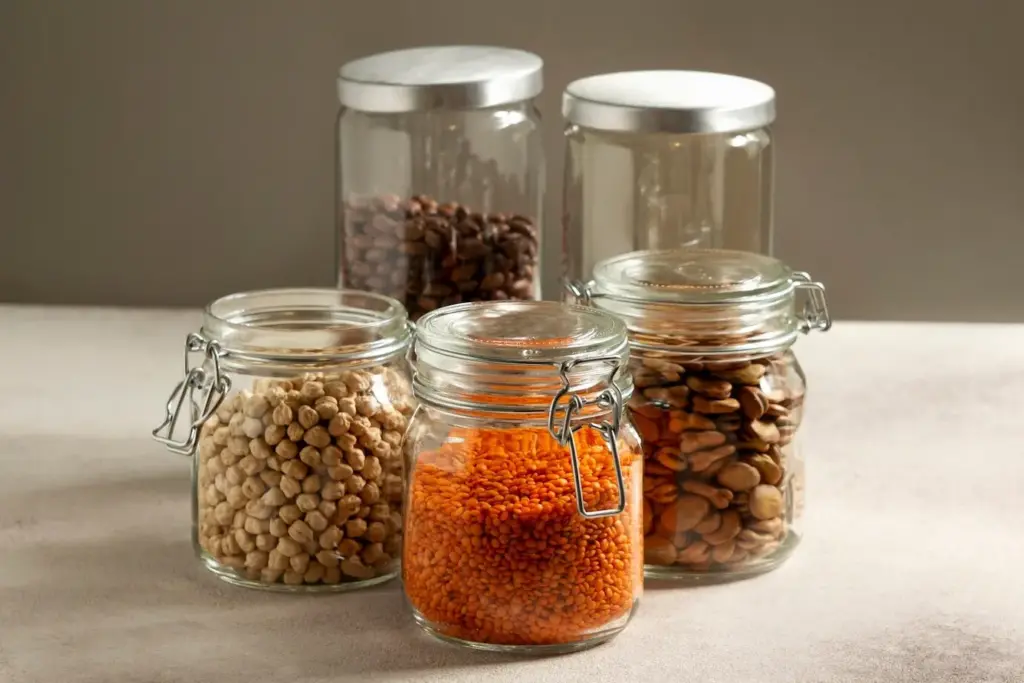
Home Decanting Without Risk

Refilling continues in the kitchen, where clean tools, calm pacing, and sensible storage protect flavor and safety. This section turns everyday decanting into a confident routine, whether you transfer olive oil, granola, soap, or homemade broth. By preparing containers correctly, pouring with intention, and labeling thoughtfully, you can extend freshness, maintain nutrition, and reduce clutter. With a few checklists and gentle reminders, every shelf becomes easier to manage responsibly.

Training, Audits, and Continuous Improvement

Safety thrives when learning never stops. Short, frequent trainings keep procedures fresh, while friendly audits reveal gaps before they become incidents. This section shows how to integrate checklists, quick refreshers, and feedback loops into store routines and household habits. By celebrating small wins and adjusting when data suggests a better path, you build a culture where safe refilling becomes second nature, consistent, and resilient under pressure.

Onboarding staff with clear micro-lessons

Break complex procedures into bite-sized modules focused on single skills: handwashing, sanitizer mixing, spigot sanitizing, or allergen segregation. Demonstrate, practice, and confirm understanding with a quick checklist. Encourage questions without judgment. At home, teach family members simple steps and post reminders near the sink. Consistent onboarding across people and shifts stabilizes quality, reduces stress, and ensures that safety standards survive busy rushes and new product launches.

Daily checklists and weekly deep dives

Use short daily checklists to verify temperatures, cleaning status, and labeling accuracy, then schedule a weekly deep dive to review logs, rotate stock, and examine wear on gaskets or hoses. At home, combine a weekend pantry audit with container sanitizing. Document improvements and assign owners. These rhythms keep programs honest, identify emerging risks early, and reduce emergencies through steady, predictable attention to the details that matter.

Tapepakuvonuxunotaxi
Privacy Overview

This website uses cookies so that we can provide you with the best user experience possible. Cookie information is stored in your browser and performs functions such as recognising you when you return to our website and helping our team to understand which sections of the website you find most interesting and useful.