
Refill Your Spice Rack Without Plastic
Today we explore plastic-free spice and herb restocking—covering sourcing, labeling, and shelf life. Learn to shop bulk with glass, record clear details that preserve safety and memory, and store aromatics so their essential oils stay vivid. Expect practical steps, science-backed guidance, and engaging community ideas you can implement before your next simmer, sauté, or celebratory feast.
Finding Fresh Flavors Without Plastic
Skip single-use packaging and still secure vibrant, high-quality spices by choosing bulk bins, refilleries, co-ops, and trusted market stalls that welcome your clean glass jars. Confirm turnover rates, sniff for brightness, and ask vendors about harvest year and storage practices. Your jar tare, a friendly conversation, and a bit of patience become the gateway to consistent, plastic-free excellence.
Choosing the Right Jars and Lids
Aim for glass with smooth interiors, wide mouths for easy refilling, and food-safe, rust-resistant lids. Replace worn seals promptly to preserve aroma. Amber glass is helpful for paprika, turmeric, and dried herbs prone to light degradation. Keep a few small jars for daily use, while bulk backstock stays sealed and tucked away in a cool, dark cabinet.
Cleaning and Sanitizing for Flavor Integrity
Wash jars with hot, soapy water, rinse thoroughly, and air-dry completely before use. Remove lingering odors with a baking-soda paste or a quick bake in a low oven. Sanitize with boiling water or high-heat cycles, then cool fully. Avoid scented detergents that leave residues. Inspect lids for rust or warped liners that might compromise your carefully preserved flavors.
Labels That Tell the Story
A great label preserves safety, memory, and joy. Record name, origin, style, and harvest or purchase date. Add toast or grind dates, heat level, and store location for backups. Choose low-waste solutions like wax pencils, removable paper tapes, or metal lid tags. Clear, consistent labels prevent duplicates, reduce wasteful overbuying, and make cooking decisions faster and more confident.
What to Write on Every Jar
Include the spice name, origin or vendor, purchase date, and a “best by” for peak potency. If you toast or grind at home, add those dates too. Include batch codes when available. A quick-use note—like “use in chai” or “perfect for marinades”—helps you grab the right jar fast and keeps culinary experiments intentional, informed, and more delicious.
Low-Waste Label Materials and Methods
Try kraft paper tape, reusable metal hang tags, grease pencils, or chalk markers on smooth lids. Keep solvents minimal and avoid vinyl stickers that shed microplastics. When reusing jars, apply labels to the lid so glass remains clear. Consistency matters: one method, one placement, and one format make the rack readable at a glance and blissfully stress-free.
Keeping Potency Longer
Whole vs. Ground: Time and Trade-offs
Whole seeds and pods often keep vibrant for two to four years, while ground formats typically deliver peak flavor for six to eighteen months. Grinding fresh releases fragrance instantly but shortens life. Consider a small grinder and toast whole spices briefly before use. The balance is simple: store whole for longevity, grind as needed for maximum, unforgettable intensity.
Light, Heat, and Oxygen: The Flavor Thieves
Carotenoid-rich spices like paprika fade with light, while heat accelerates volatile loss in cumin, coriander, and pepper. Keep jars in a cool, dark spot and close lids promptly. Don’t store over the stove. Decant a small working jar and leave backups sealed. These micro-habits significantly slow degradation, preserving the brightness that inspired your plastic-free commitment in the first place.
Testing Freshness and Deciding When to Compost
Rub a pinch between fingers and inhale: lively aroma signals usable power. Bloom a small amount in warm oil to confirm depth. If scent is flat and color dulled, compost without guilt. Free your shelf for something inspiring. Report your findings to the community; comparing notes helps everyone calibrate expectations and avoid unnecessary waste while keeping meals exciting.
Refill Rituals for Peak Flavor
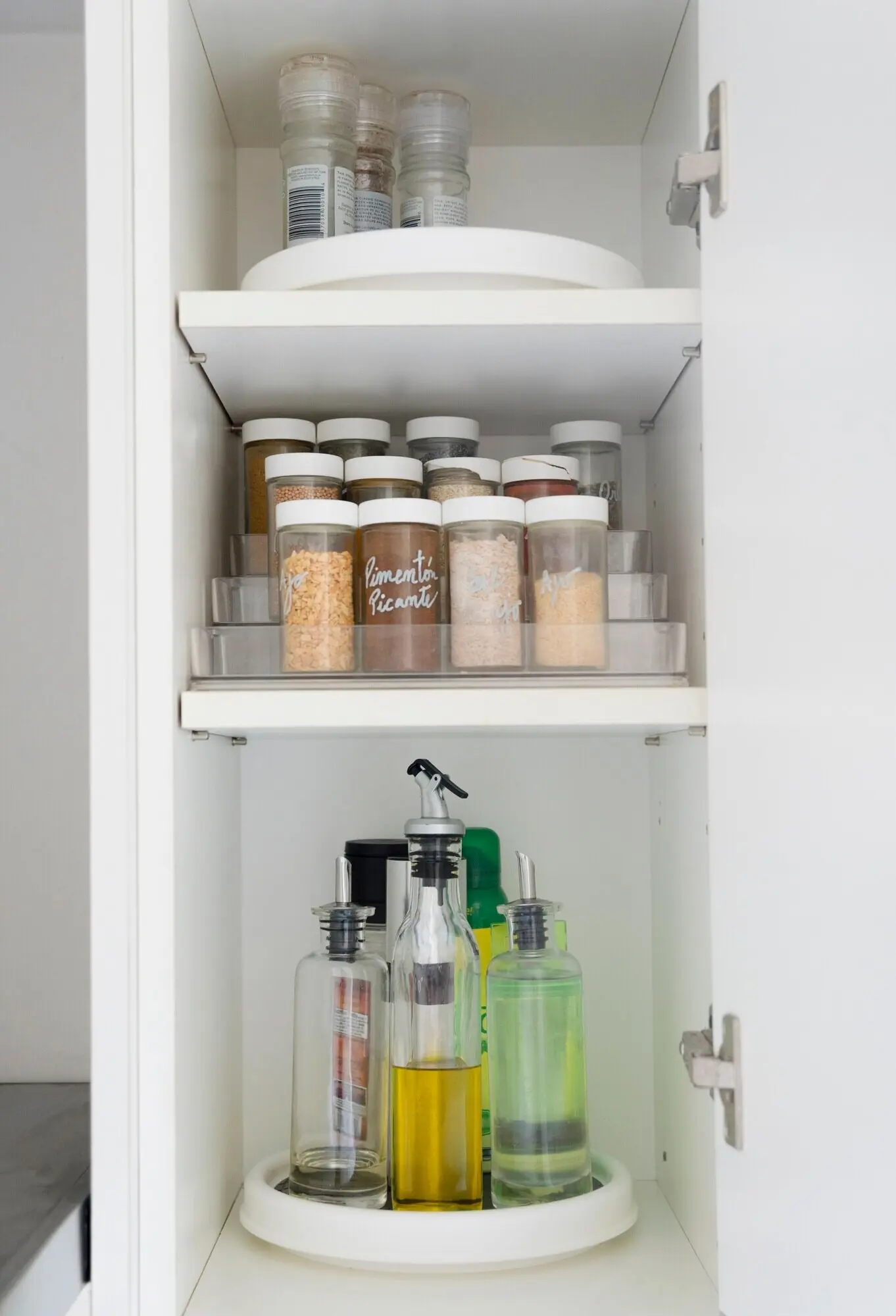
Rituals make plastic-free refills reliable and joyful. Keep a short list of low jars inside your cabinet door. Choose a weekly moment to grind, toast, and top up. Use a dry scoop, not steamy spoons. Celebrate tiny wins—a perfectly labeled jar, a tidy funnel—because small care adds up to unforgettable aroma and sustainable, repeatable momentum.
A Pantry Layout That Guides Cooking
{{SECTION_SUBTITLE}}
Designing an Easy-to-Read Rack
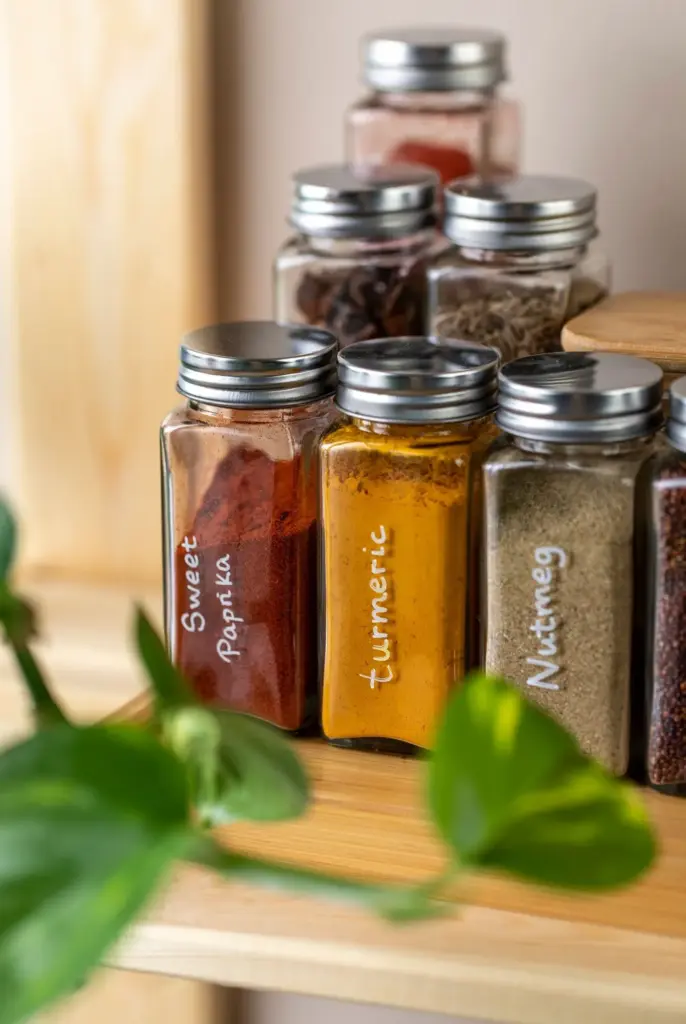
Choose one label style, one font size, and a consistent placement—lid or shoulder. Put everyday spices front and center, with rarer picks tucked slightly higher. Consider risers so every jar shows its face. Good layout reduces wasteful duplicates, prevents stale jars, and turns your cooking space into a calm, navigable workshop for quick, delicious decisions every night.
Inventory and Rotation Made Simple
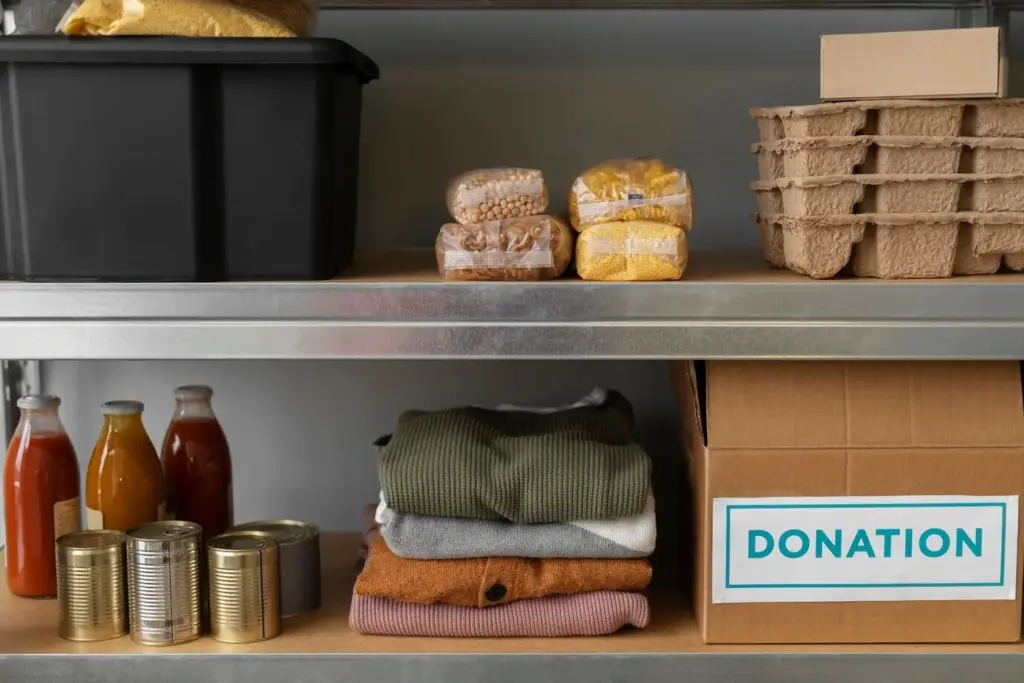
Once a month, scan for low jars and fading colors. Move older stock forward and log refill needs on your phone. This five-minute ritual keeps shelves honest and budgets happy. The simplest systems win because they get used. If you’ve created a color-coding trick or standout checklist, share it to help other readers refine their approach.
Flavor With a Conscience
Spices carry stories of farmers, regions, climate, and care. Choosing minimal packaging is powerful, and pairing it with ethical sourcing magnifies impact. Favor transparent merchants, living wages, and regenerative practices. Consider shipping distance, seasonal availability, and freshness windows. When your jar celebrates people and planet, every pinch tastes brighter, and every refill honors a broader, shared table.