

One-Week Price Experiment You Can Run Today
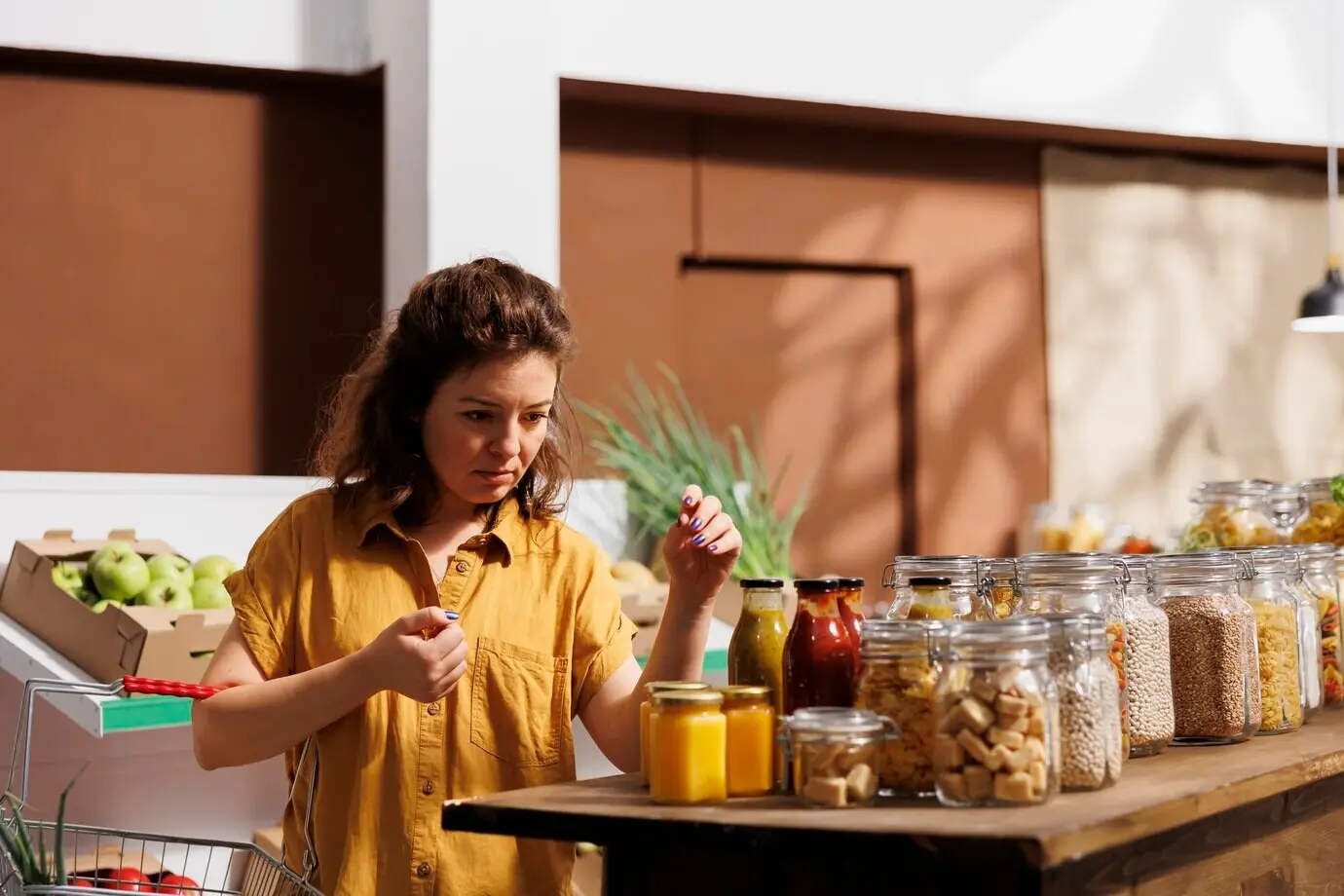
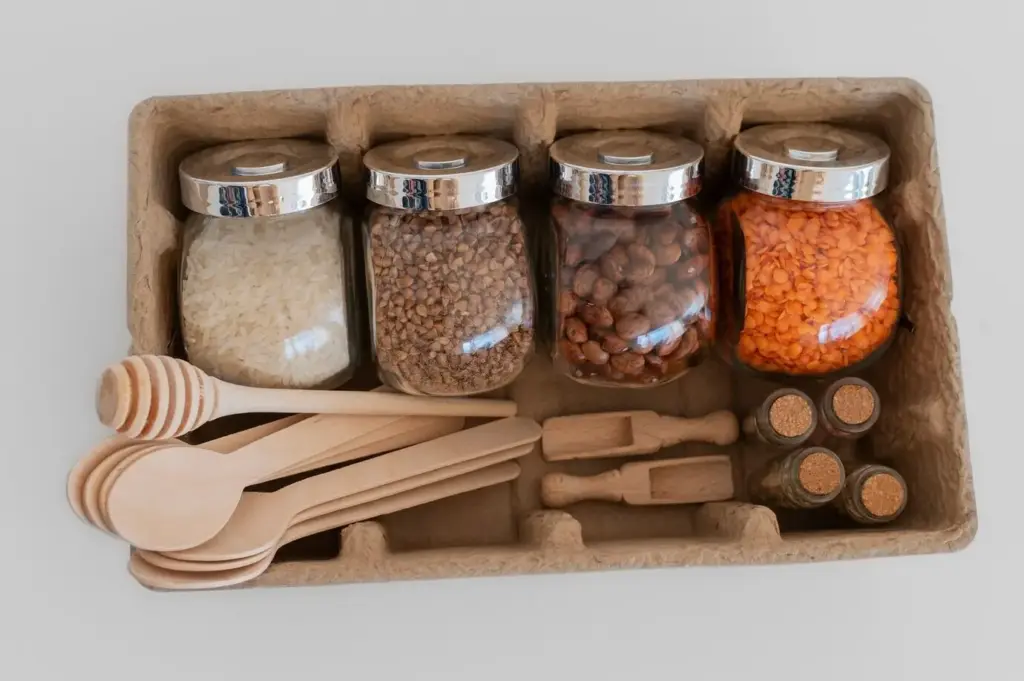
Pick oatmeal, coffee, and one snack. Buy the smallest sealed versions and refill equivalents, recording weights, waste, and waiting time. Photograph receipts and containers for clarity. At week’s end, calculate per‑ounce price and trash volume, then decide where refills or packages best match your routines.
Low-Waste Swaps with Big Impact
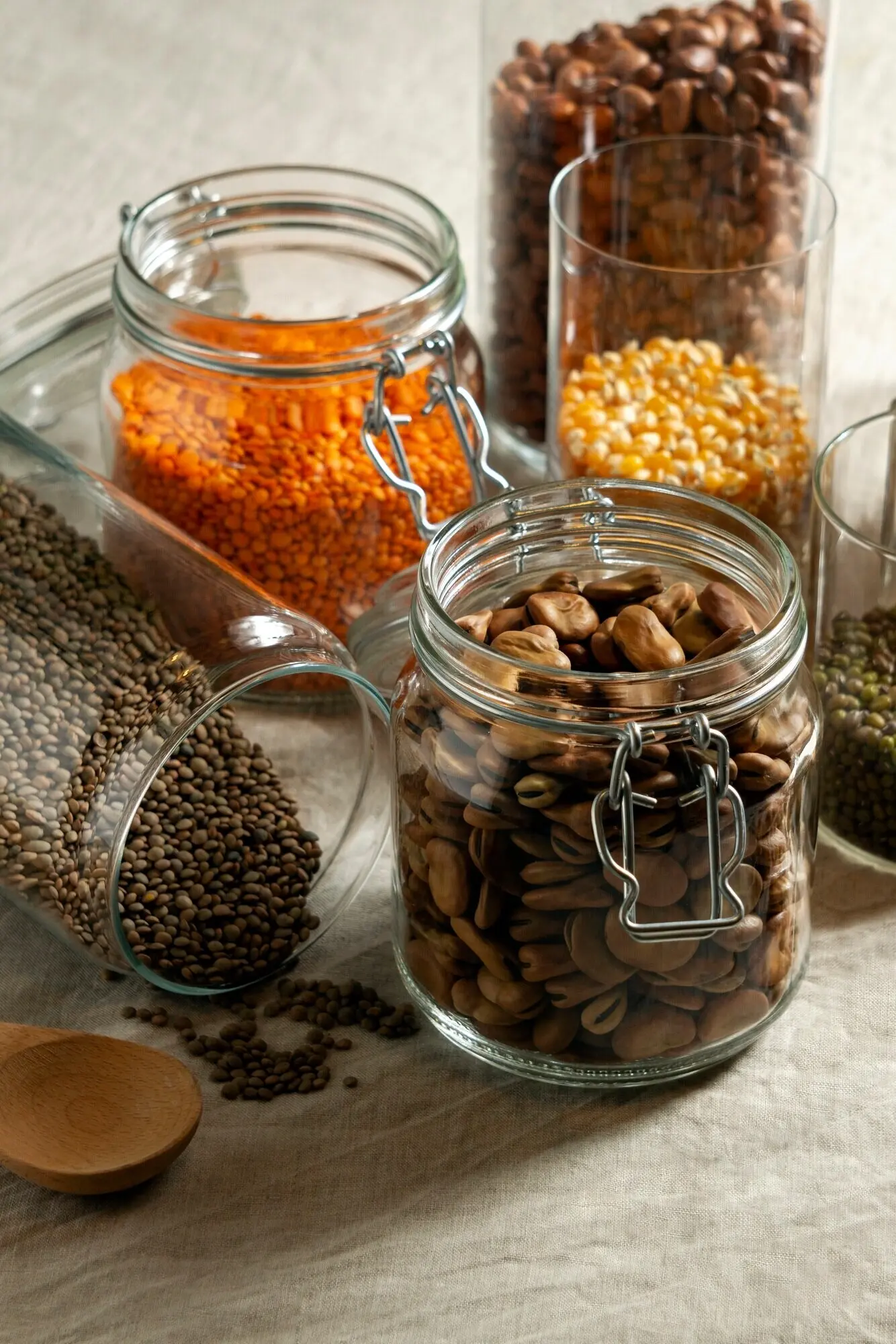
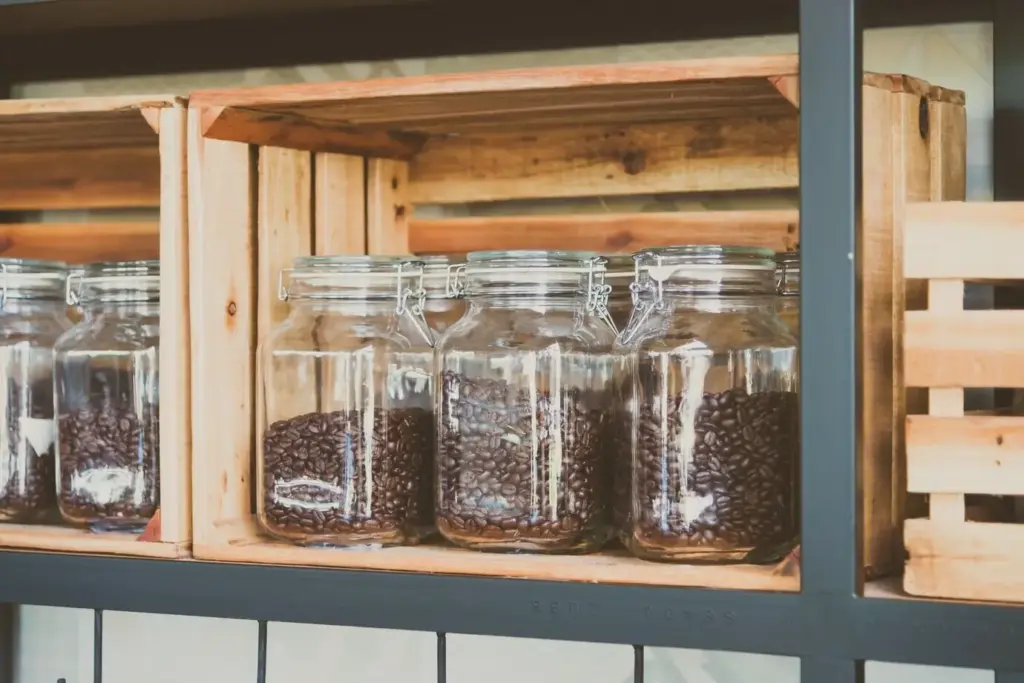
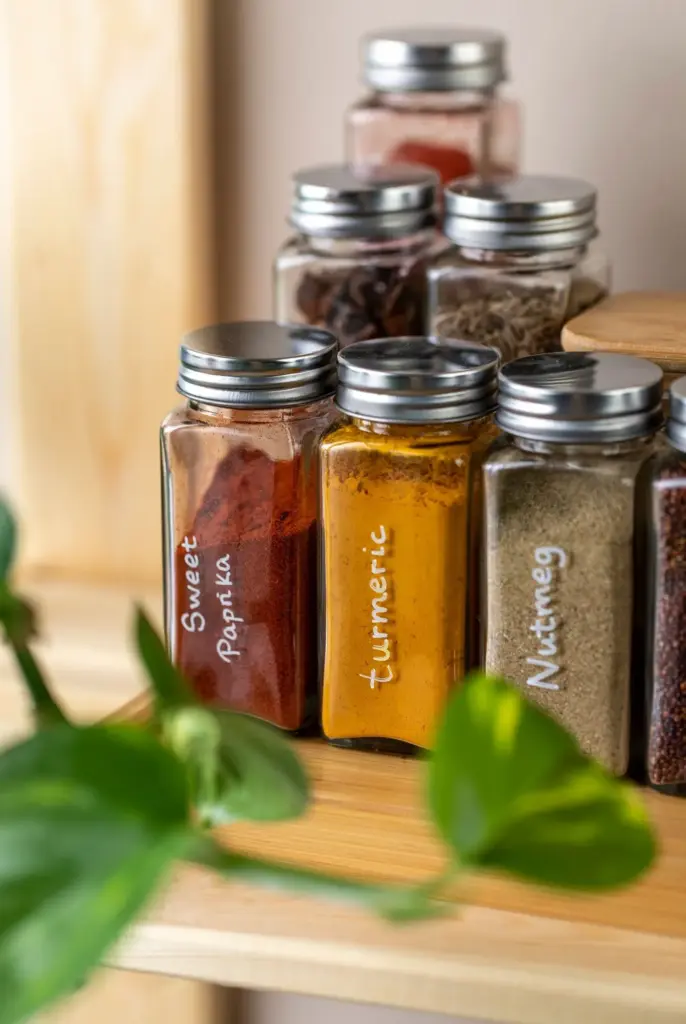
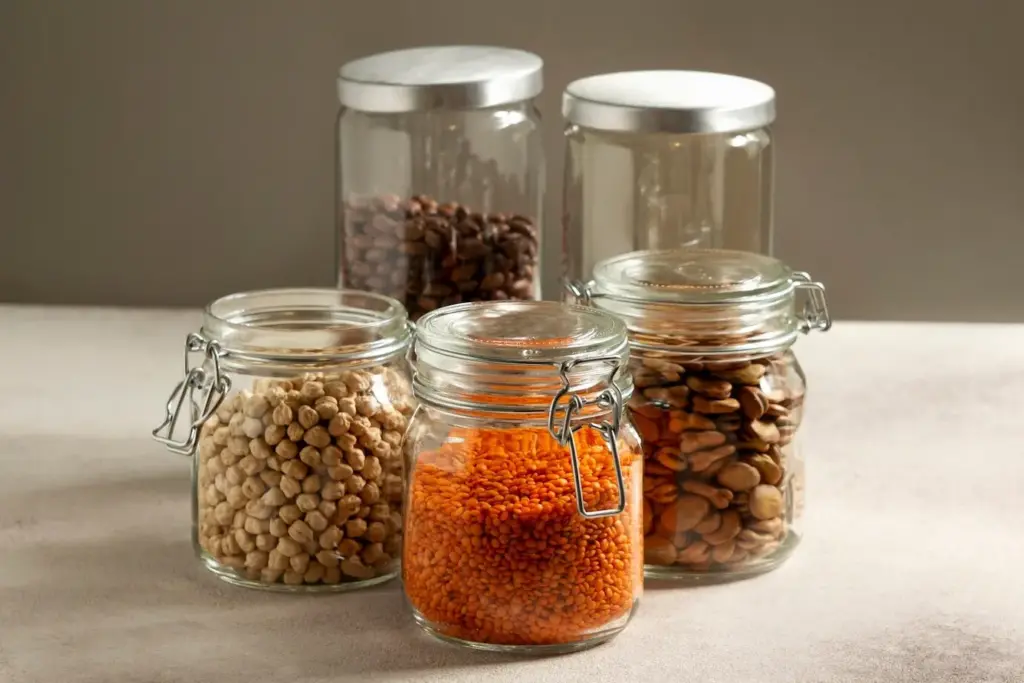
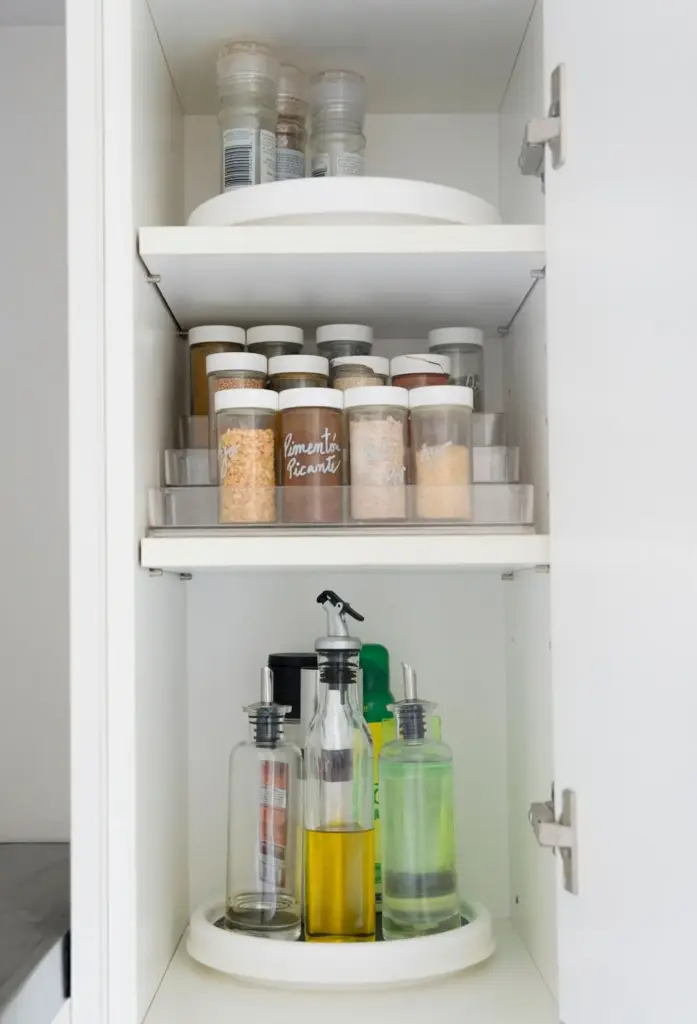
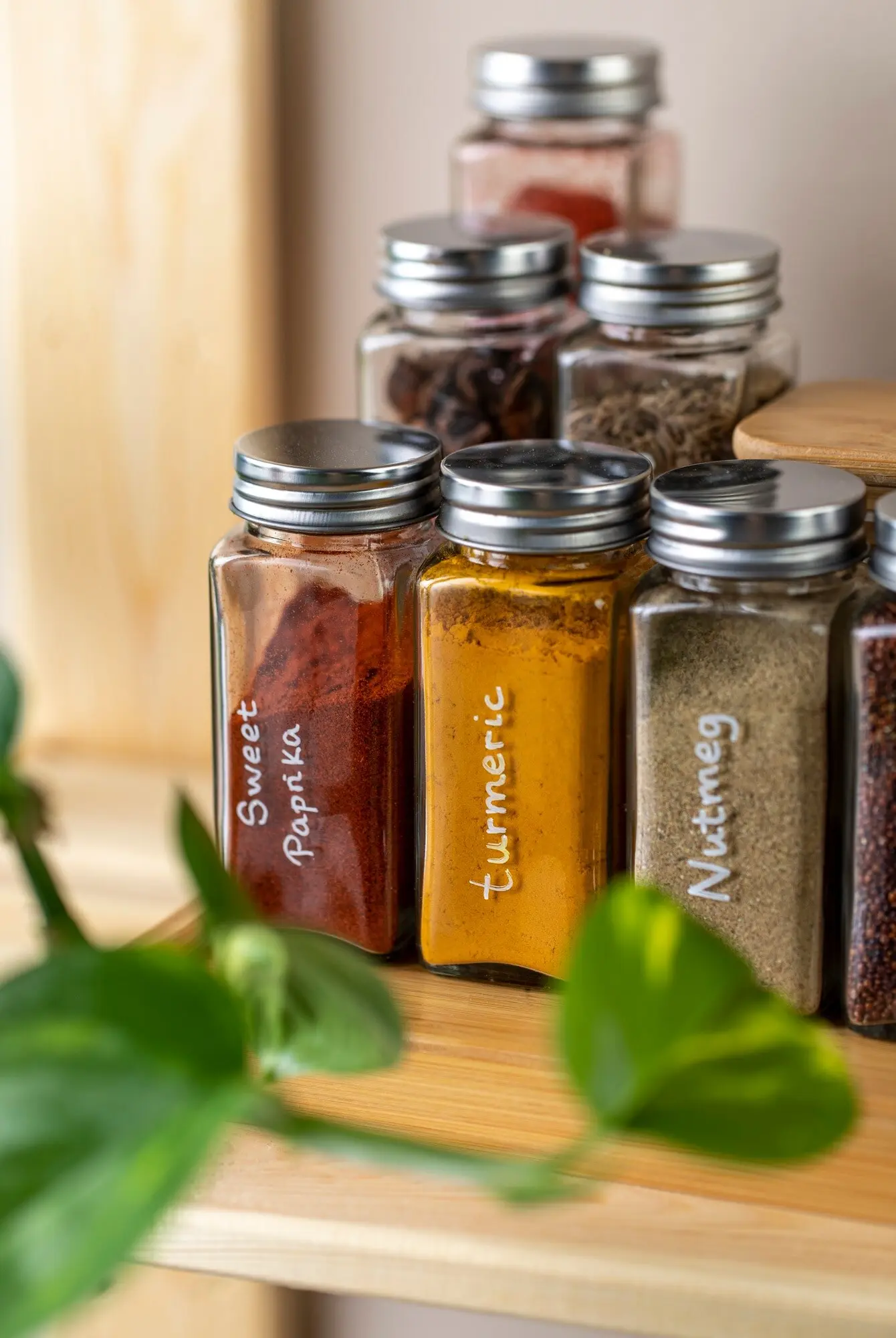
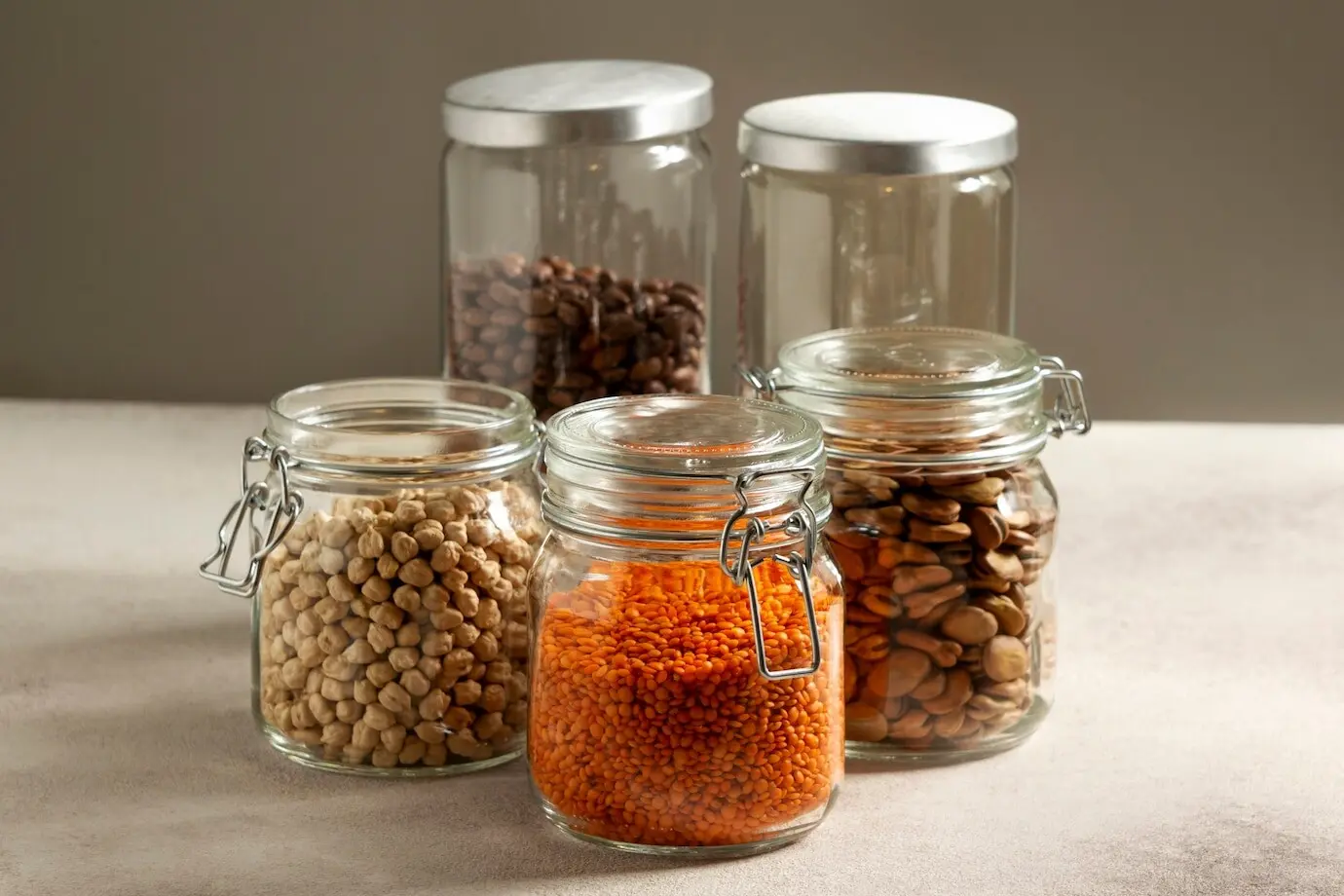
Target items with heavy packaging and slow turnover: spices, tea, coffee, nuts, baking ingredients, and cleaning refills. These deliver big material reductions and noticeable freshness gains. Keep sealed backups for emergencies. The goal is flexibility, not purity, and measurable steps that feel rewarding every single week.

Join the Conversation and Share Wins
We are building practical knowledge together. Post your price comparisons, favorite containers, and honest hiccups, and subscribe for new checklists and interviews. The more examples we collect, the smarter our decisions become, and the lighter our footprint feels during every breakfast, lunch, and dinner.