
Refill With Confidence: Safe Practices for Stores and Homes

Foundations of Hygienic Refilling

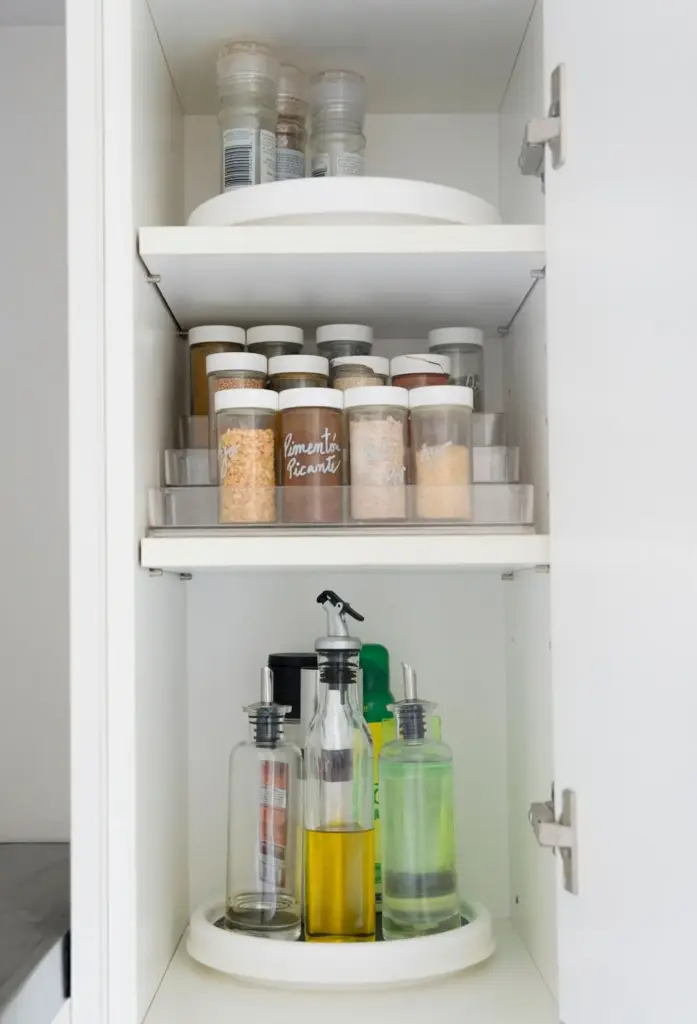
Cleaning and Sanitizing Containers and Dispensers

Allergen and Cross-Contact Controls
Time and Temperature for Safety
Cold-chain for dairy, juices, and other TCS products
Hot-holding and warm refills such as soups or broths
Labeling, Traceability, and Communication
01
What to include on a refill label
Include product name, ingredients, allergen statements, supplier, lot or batch code, fill date, best-by guidance, and storage instructions. For home decanting, copy key details onto reusable tags or erasable labels. Avoid smudging by using oil-resistant markers where needed. Clear, concise information equips families to handle and store products correctly while making it easy to rotate stock and enjoy every refill at peak quality and safety.
02
Lot codes and recall readiness
Lot tracking allows swift, precise action during quality investigations. Record which lots enter each dispenser and when. If a recall occurs, you can identify affected containers, contact customers, and document corrective steps. At home, keep receipts or snap label photos before decanting. This light-touch discipline protects households, preserves credibility, and ensures that sustainability ideals never compromise the speed and accuracy required during rare, urgent situations.
03
Engaging customers with transparent signage
Signage near stations can outline cleaning schedules, allergen practices, and safe handling tips. Invite questions, offer sanitizer, and display QR codes linking to supplier information or detailed instructions for home decanting. Customers who understand the process feel valued and return often. At home, create simple reminder cards for storage temperatures and use-by dates. Clear, friendly messages foster safer habits and a stronger community around responsible refilling.

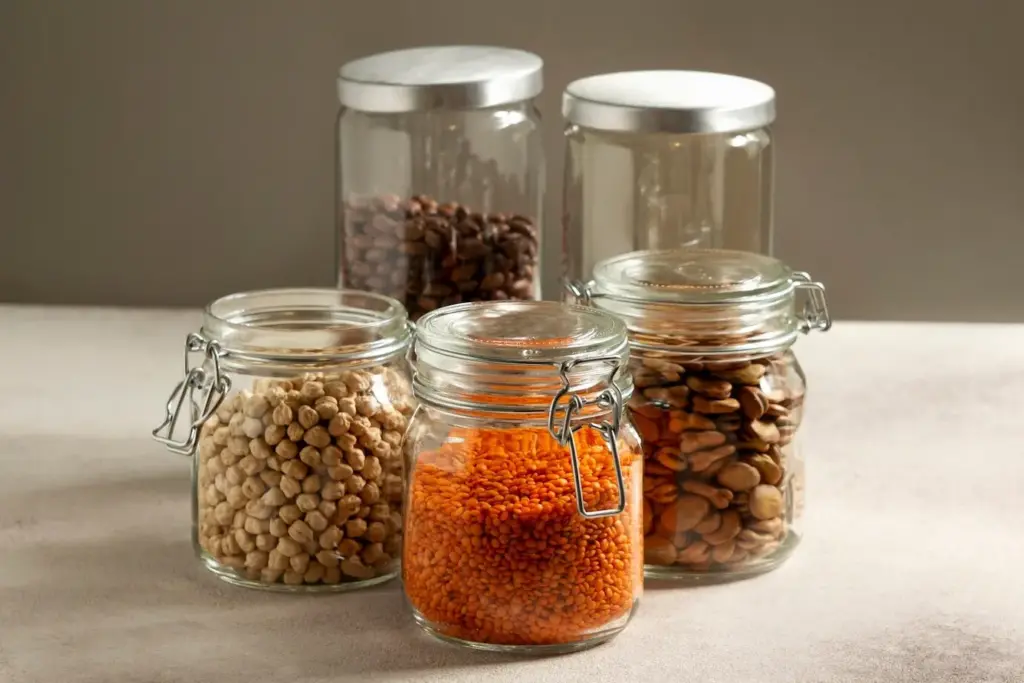
Home Decanting Without Risk
Training, Audits, and Continuous Improvement
Onboarding staff with clear micro-lessons
Break complex procedures into bite-sized modules focused on single skills: handwashing, sanitizer mixing, spigot sanitizing, or allergen segregation. Demonstrate, practice, and confirm understanding with a quick checklist. Encourage questions without judgment. At home, teach family members simple steps and post reminders near the sink. Consistent onboarding across people and shifts stabilizes quality, reduces stress, and ensures that safety standards survive busy rushes and new product launches.
Daily checklists and weekly deep dives
Use short daily checklists to verify temperatures, cleaning status, and labeling accuracy, then schedule a weekly deep dive to review logs, rotate stock, and examine wear on gaskets or hoses. At home, combine a weekend pantry audit with container sanitizing. Document improvements and assign owners. These rhythms keep programs honest, identify emerging risks early, and reduce emergencies through steady, predictable attention to the details that matter.