


The Real Price of Pantry Choices

Today we dive into comparing costs and environmental impact of bulk refills versus pre‑packaged pantry goods, translating receipts and footprints into plain language. Expect practical math, candid trade‑offs, and small, repeatable habits that protect your budget while shrinking waste without sacrificing freshness, flavor, or convenience.

How the Money Adds Up

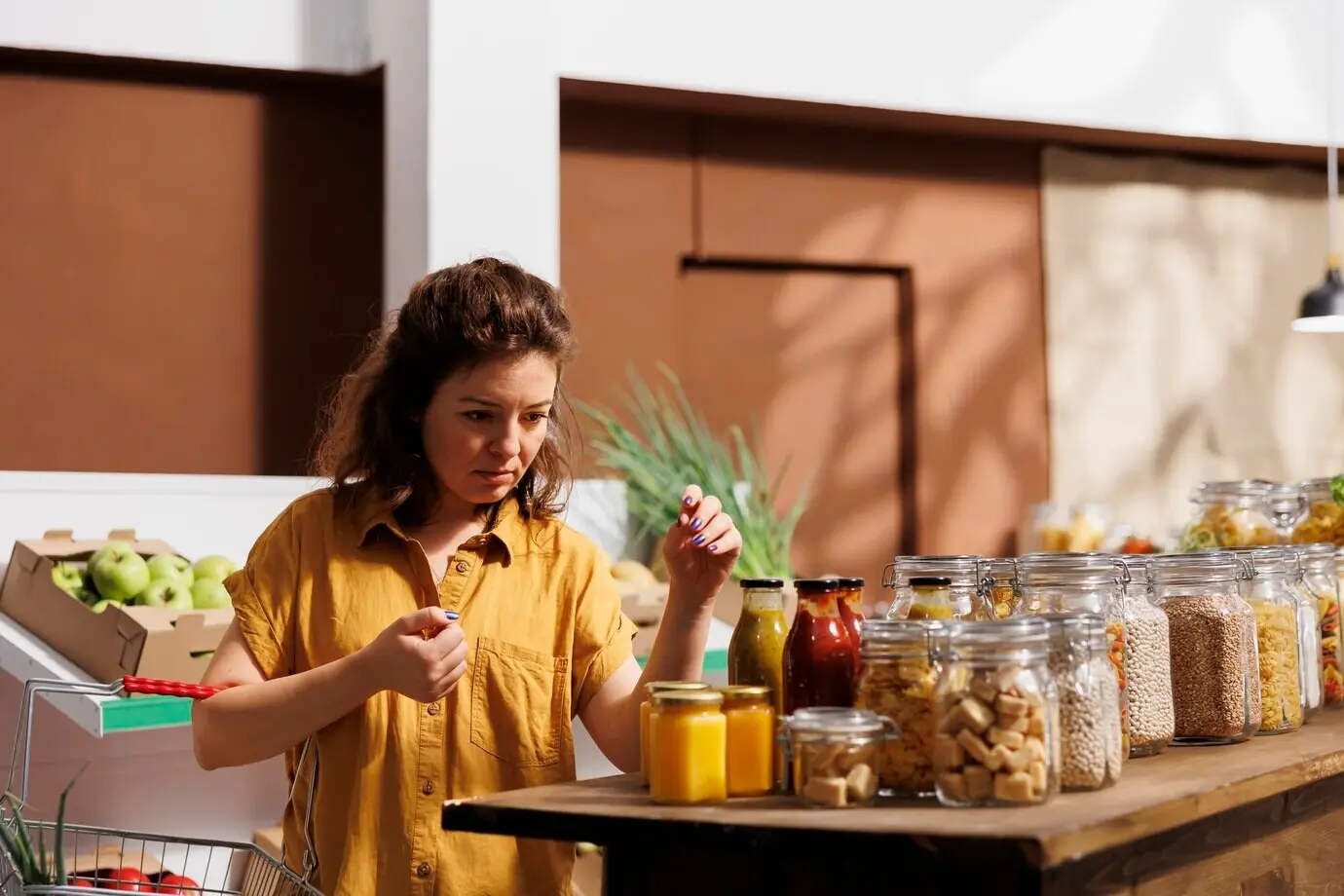
When you measure pantry staples by the ounce, cup, or gram, the story changes. Bulk refills often beat shelf prices, yet containers, membership fees, and travel can tilt results. We’ll unpack recurring expenses, spoilage risk, and how portion control prevents money disappearing into stale bags.
Start by writing unit prices directly on your list, comparing bulk bin tags to pre‑packaged labels normalized per ounce or 100 grams. Include taxes, scooping losses, and rounding. Over a month, tiny differences compound, revealing where refills reliably save without compromising staples you love.
Cardboard, plastics, inks, and protective inserts are not free; they ride inside the barcode and pass to you. Bulk refills shift that cost to durable containers you control. A one‑time jar investment, amortized across years, usually beats endlessly paying for fresh layers of wrapping.
Buying exactly what you will cook this week minimizes forgotten half‑bags, pantry moth feasts, and stale flour. Bulk lines up supply with planned meals, while sealed multipacks push volume beyond needs. Savings from reduced waste often outpace per‑unit differences, especially with spices, nuts, and specialty grains.

Footprints Beyond the Aisle

Packaging, transport, and store operations shape environmental footprints far more than clever slogans. Bulk refills cut single‑use materials, yet require cleaning systems and customer containers. Pre‑packaged goods optimize logistics but generate recycling challenges. We compare credible studies and everyday observations to show where the climate and your conscience both win.

Packaging Life Cycle in Plain Terms

From resin pellets and pulp to molding, printing, filling, shipping, and disposal, each step adds emissions and resource use. Bulk refills reduce stages by eliminating repeated containers. Durable jars concentrate impact once, then keep serving, especially when washed in full loads with energy‑efficient settings.

Transport and Warehouse Efficiency

Pre‑packaged cases stack tightly, improving pallet density, while bulk systems ship larger sacks and drums that cut per‑unit materials. The best results often combine both: upstream efficiency with minimal consumer packaging. Choosing refills where available trims waste without breaking distribution models that keep food affordable.

Hygiene, Quality, and Convenience

Questions about cleanliness and time deserve straight answers. Reputable stores sanitize bins, rotate stock, and label allergens; you can still choose sealed options when needed. Convenience includes fewer trips, better portioning, and lighter trash. Understanding these trade‑offs helps you balance peace of mind with measurable savings and impact.

Home Setup That Makes Bulk Work

Container Choices That Last

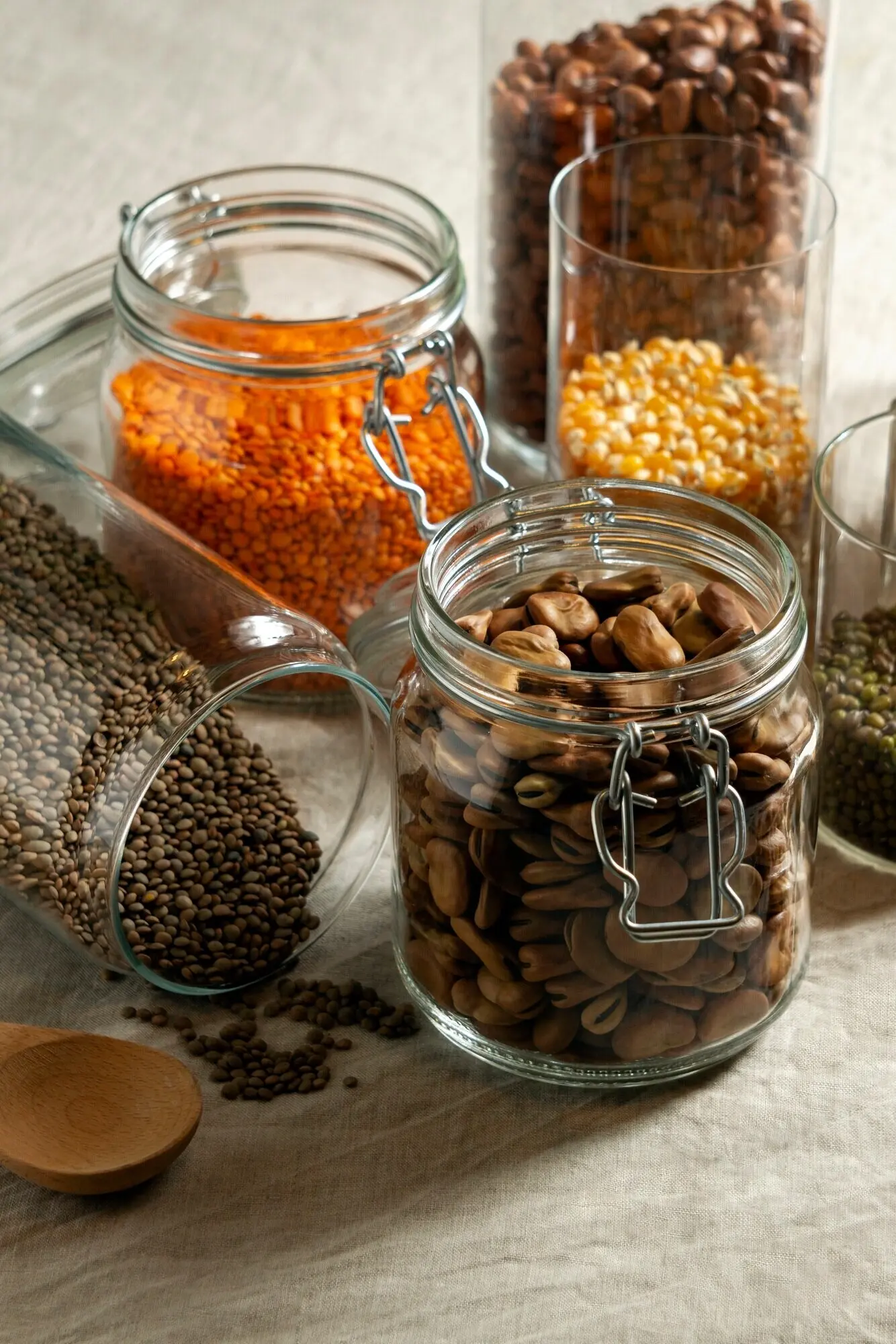
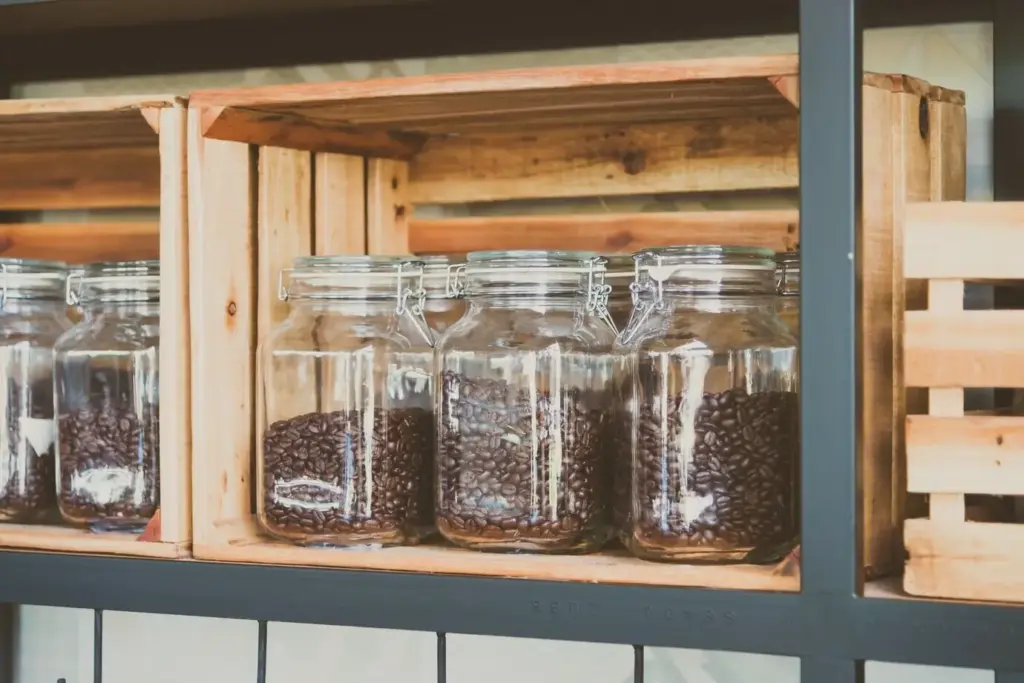
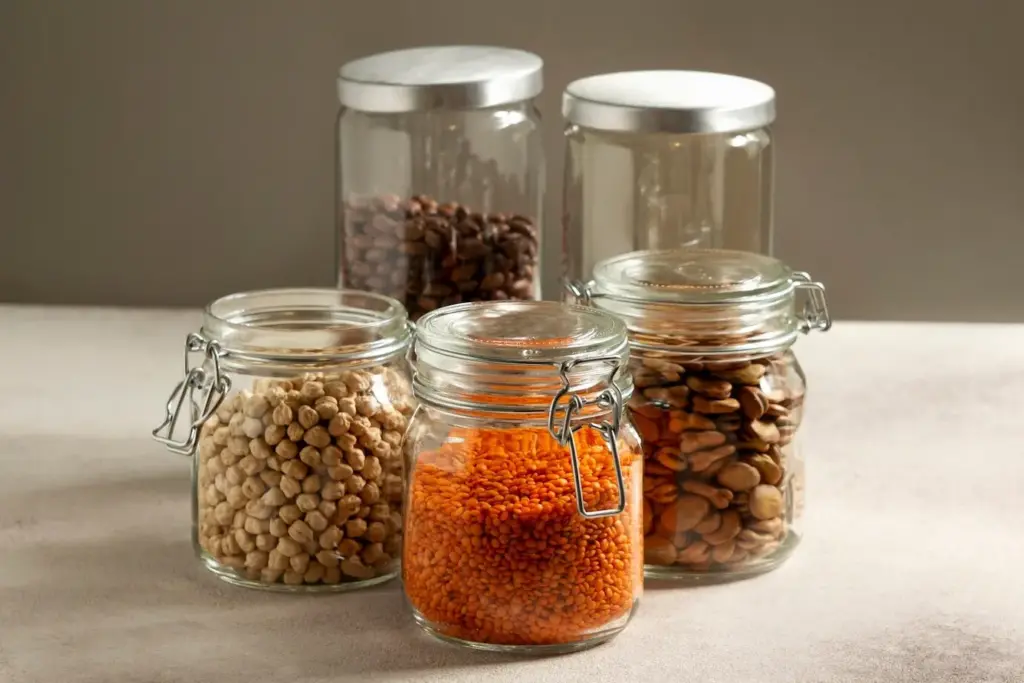
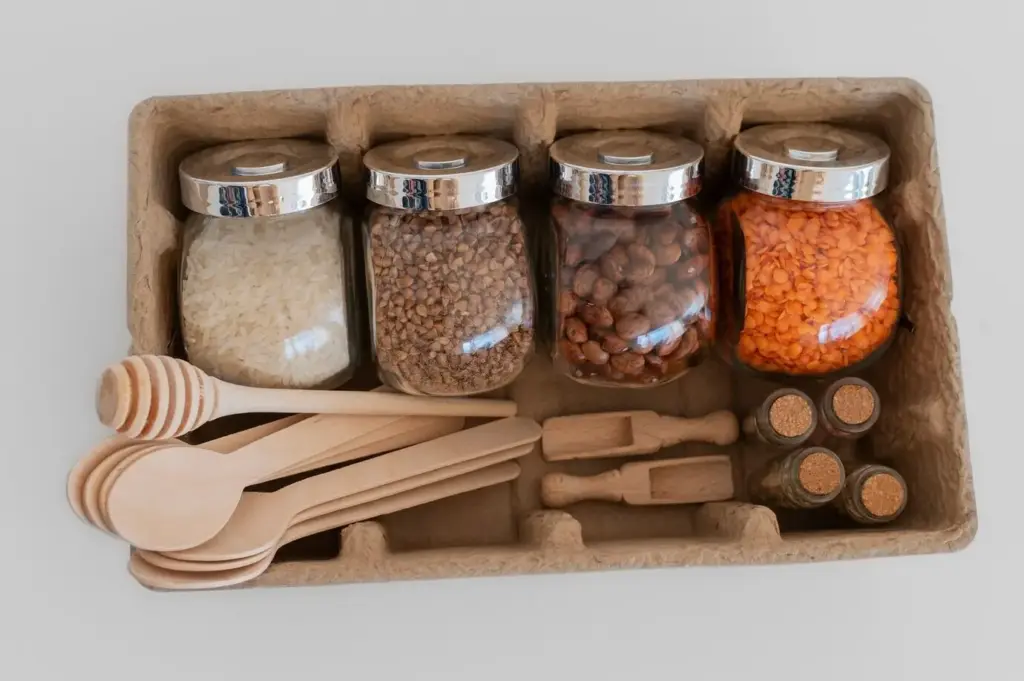
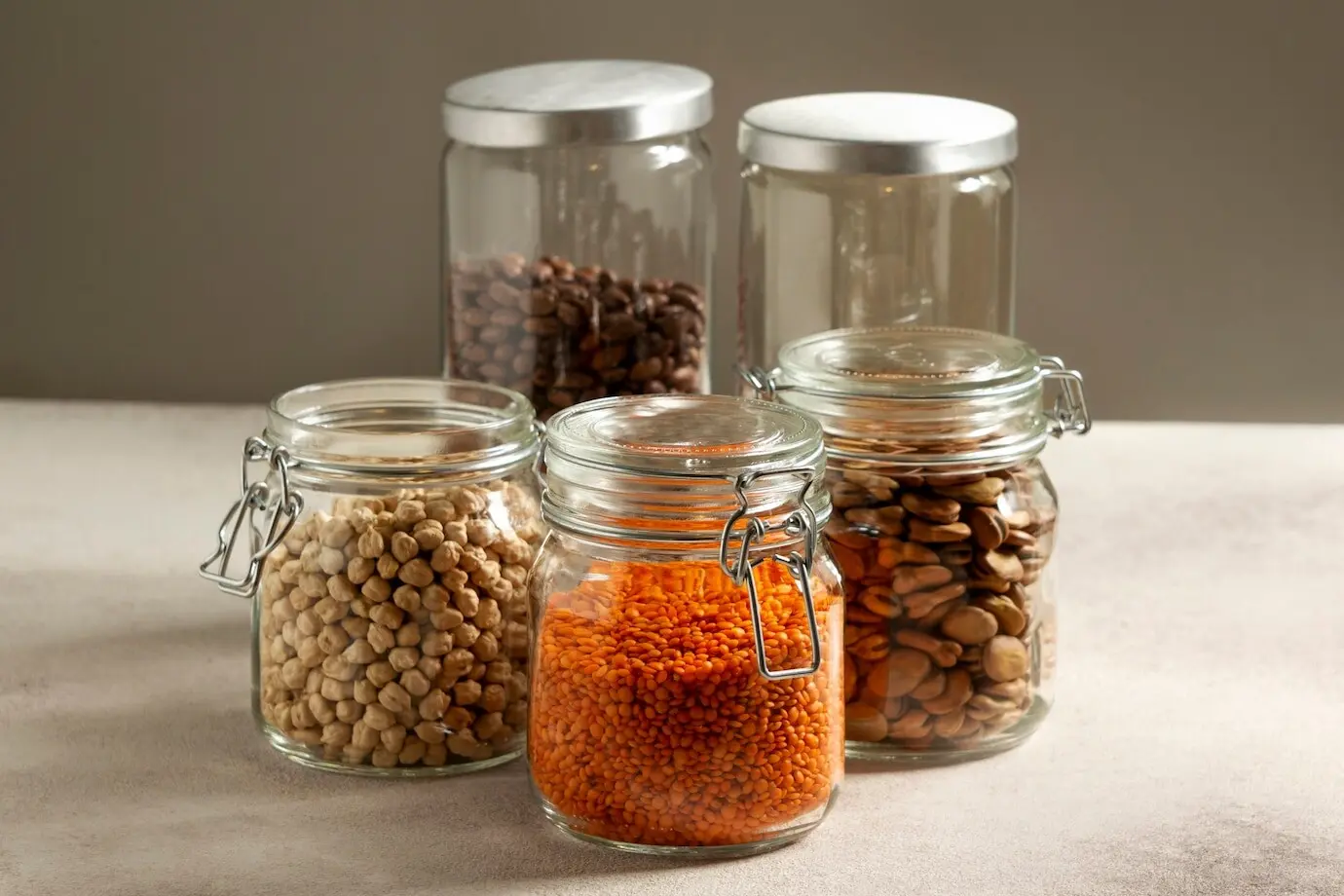
Glass with airtight lids resists stains and odors, while stainless canisters shrug off impacts. Reused jars save money and look charming. Choose sizes that match your refill cadence to avoid stagnation. Measure tare weights once, note them clearly, and enjoy frictionless checkouts with fewer surprises.

Labeling and Rotation

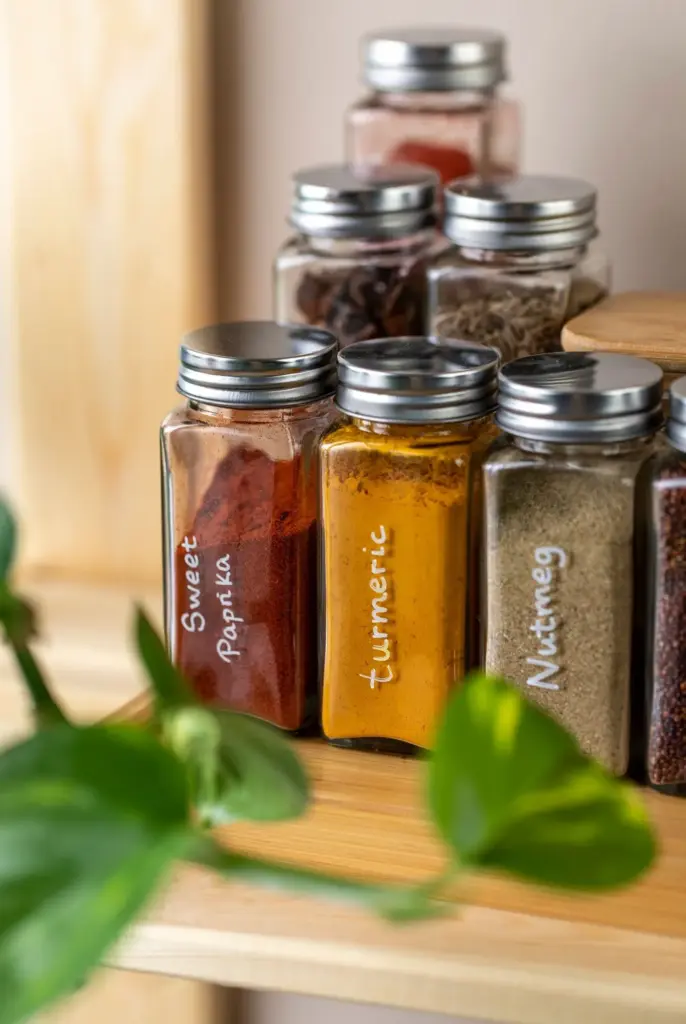
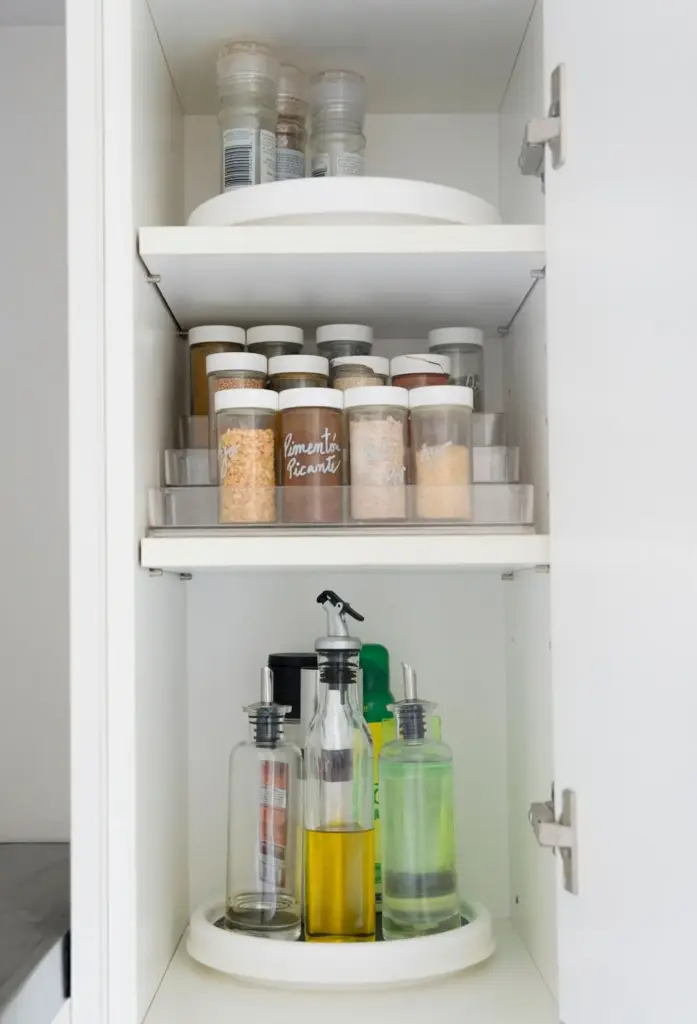
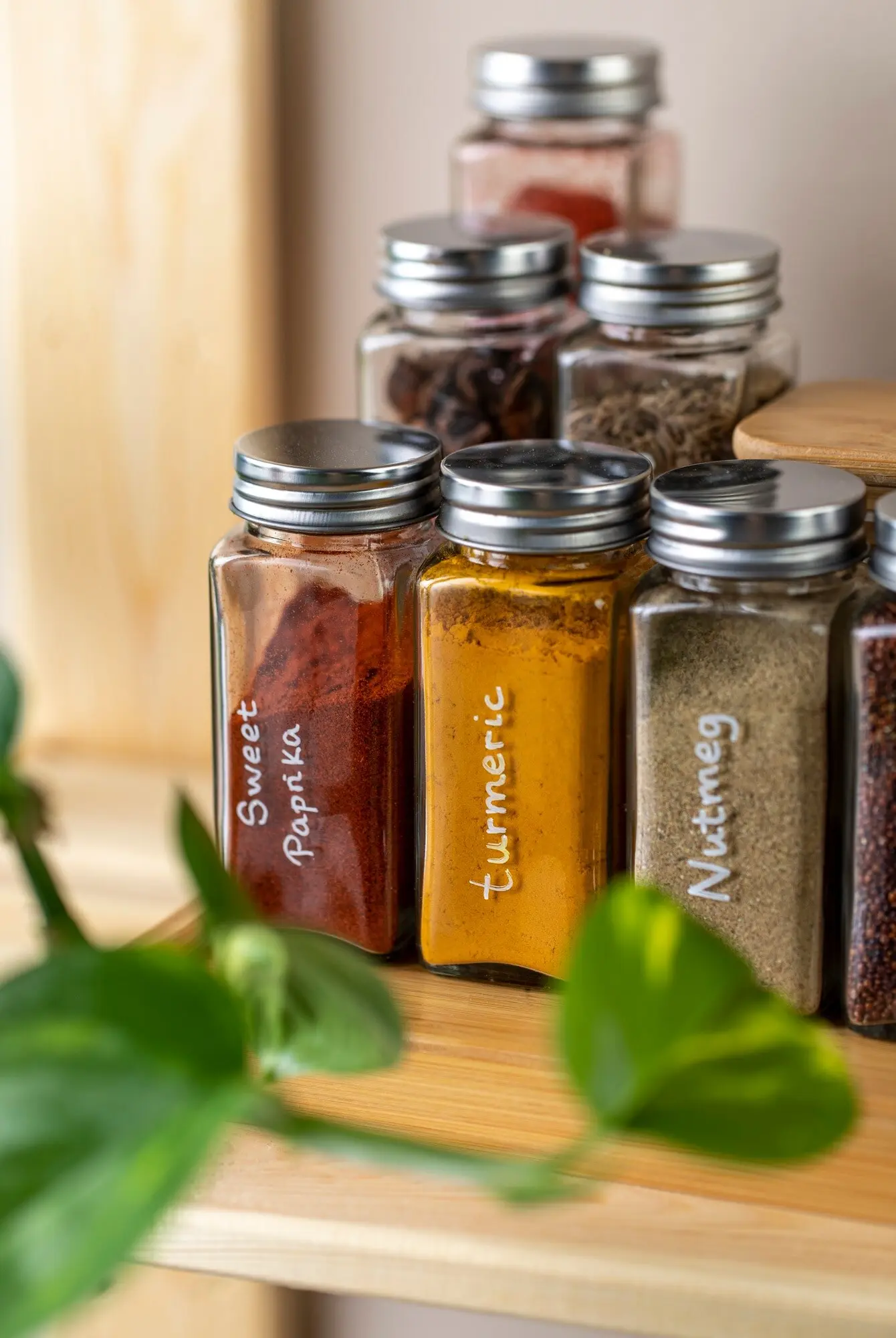
Write product, source, and date on every container. Keep oldest in front, newest behind, and finish opened packages before refilling. This simple rotation avoids flavor drift and keeps nutrition accurate. Add cooking notes and preferred ratios so future you saves time and avoids second‑guessing.

Pest-Proof, Spill-Proof Storage

Sealable bins, tidy shelves, and quick wipe‑downs stop pantry pests from settling in. Avoid flimsy clips on original bags; transfer to rigid containers promptly. For powders, a scoop and funnel prevent clouds and waste. Small habits here protect both budget and environmental intentions every week.

Urban Couple on a Tight Schedule

Two professionals shop once weekly, refilling coffee, oats, and almonds while buying sealed dairy and frozen produce. Their per‑week savings average eight percent after container costs, and trash volume drops dramatically. Crucially, breakfasts stay fast, and weekend refills become a small, satisfying ritual together.

Family of Four with Big Weeknight Meals

They refill rice, beans, peanut butter, and snack mixes in large containers, buying sealed items for delicate treats. Measured across three months, grocery costs fall eleven percent, and recycling pickup becomes quieter. Kids help label jars, turning storage into a playful task that sticks.

Rural Shopper Balancing Distance and Deals

Long drives mean fewer trips and larger hauls. Strategic refills of dense staples like spices, nuts, and baking powder save space and emissions, while bulk sacks of grains cut price per pound. Combining a monthly store run with local co‑ops keeps quality high and budgets steady.

Your Action Plan and Community

Small experiments lead to durable habits. Start by auditing five pantry items, compare unit prices, then choose two to refill next week. Track cost, time, and trash for one month. Share results with friends or neighbors, and swap container tips so collective knowledge grows stronger.

One-Week Price Experiment You Can Run Today

Pick oatmeal, coffee, and one snack. Buy the smallest sealed versions and refill equivalents, recording weights, waste, and waiting time. Photograph receipts and containers for clarity. At week’s end, calculate per‑ounce price and trash volume, then decide where refills or packages best match your routines.
Low-Waste Swaps with Big Impact

Target items with heavy packaging and slow turnover: spices, tea, coffee, nuts, baking ingredients, and cleaning refills. These deliver big material reductions and noticeable freshness gains. Keep sealed backups for emergencies. The goal is flexibility, not purity, and measurable steps that feel rewarding every single week.
Join the Conversation and Share Wins

We are building practical knowledge together. Post your price comparisons, favorite containers, and honest hiccups, and subscribe for new checklists and interviews. The more examples we collect, the smarter our decisions become, and the lighter our footprint feels during every breakfast, lunch, and dinner.

Tapepakuvonuxunotaxi
Privacy Overview

This website uses cookies so that we can provide you with the best user experience possible. Cookie information is stored in your browser and performs functions such as recognising you when you return to our website and helping our team to understand which sections of the website you find most interesting and useful.