Build Your Refill-Ready Pantry System
Start With a Clear, Scalable Plan

Pantry Audit That Actually Works
Standard Volumes, Standard Lids
Flow From Store To Shelf
Materials, Shapes, and Lids That Earn Their Keep
Glass vs. Stainless vs. Durable Plastic
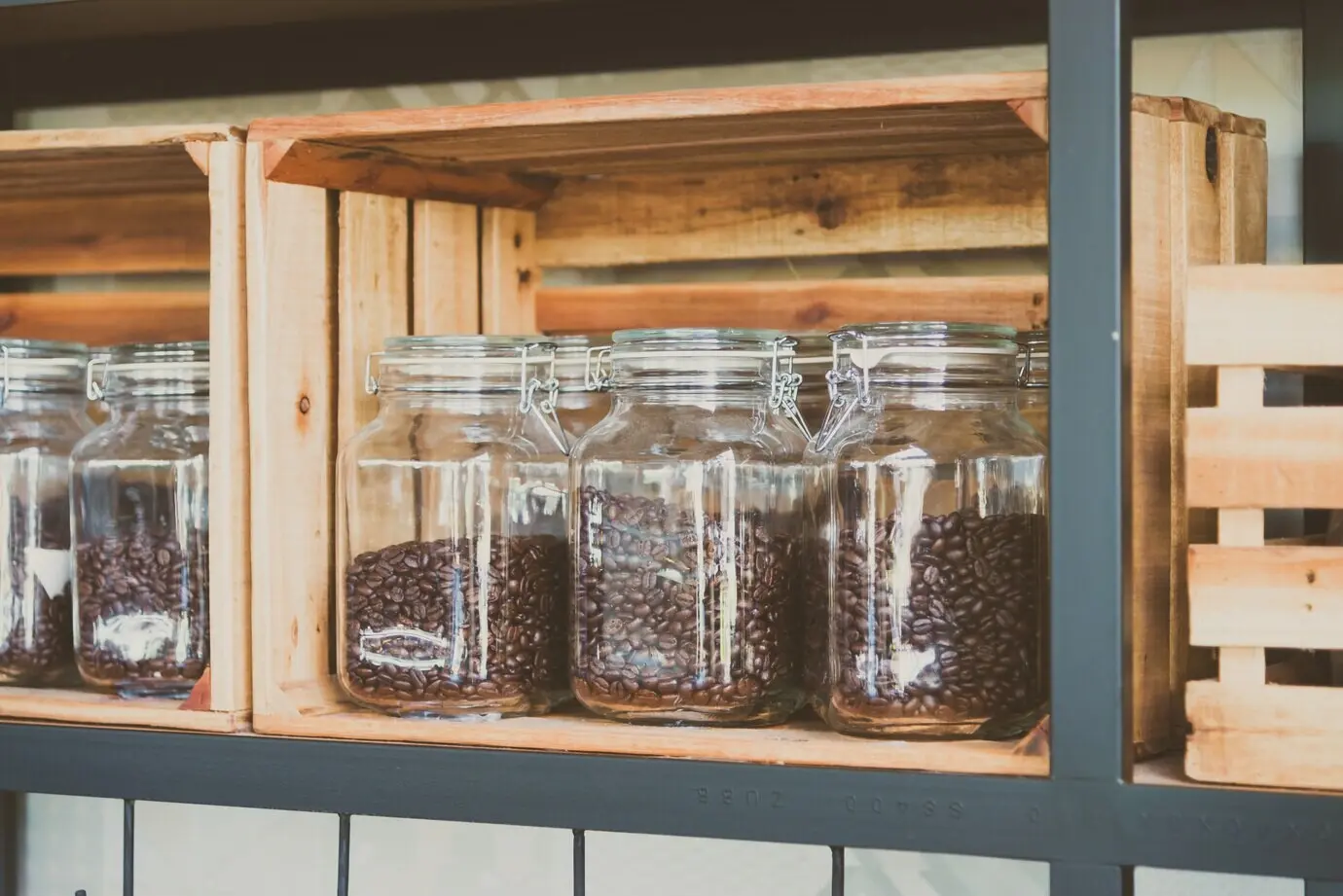
Use glass for frequently accessed dry goods where visibility helps prevent overbuying and forgotten leftovers. Choose stainless for coffee, tea, spices, and light-sensitive items, especially during transport. Lightweight, food-safe plastic shines for kid access and freezer safety. Mix intentionally, labeling use-cases, so each material plays to its strengths without clutter.
Lid Systems, Gaskets, and Interchangeability
Commit to one or two lid systems with replaceable gaskets and known spare availability. Color-code or dot-mark lids for allergens or gluten-free items. Interchangeability reduces decision fatigue, speeds dishwashing, and lets you rescue batches quickly when one lid cracks, warps, or disappears into office lunches.
Your Grab-and-Go Refill Kit
Tare Weight Mastery and Store Compliance
Labels, Dates, and Data That Prevent Waste
A Label You Can Read at a Glance
Use high-contrast fonts and waterproof stickers, or painter's tape for temporary changes. Add cooking basics like "1 cup rice : 1.5 cups water" and typical times. Those little prompts eliminate guesswork, reduce phone checks, and invite teenagers, partners, and guests to cook confidently without extra coaching.
QR Codes and Simple Inventory Apps
If you enjoy tech, print QR codes that open a shared sheet where anyone can update counts after breakfast or baking. If not, a magnetic whiteboard works brilliantly. Pick one method, stick with it, and celebrate when zero duplicates appear on the next shopping list.
Batching, Rotations, and Allergen Barriers
Adopt first-in, first-out rotation. Keep a spare labeled "open next" container for high-turn items; it saves time and prevents stale bottoms. For allergens, dedicate a shelf, tools, and lids with bold marks. Boundaries reduce accidents, reassure guests, and make cleanup efficient after busy weeknight dinners.
Pantry, Fridge, Freezer: Organized and Safe